The Future of Super Intelligence: Transforming Humanity for a Brighter Tomorrow
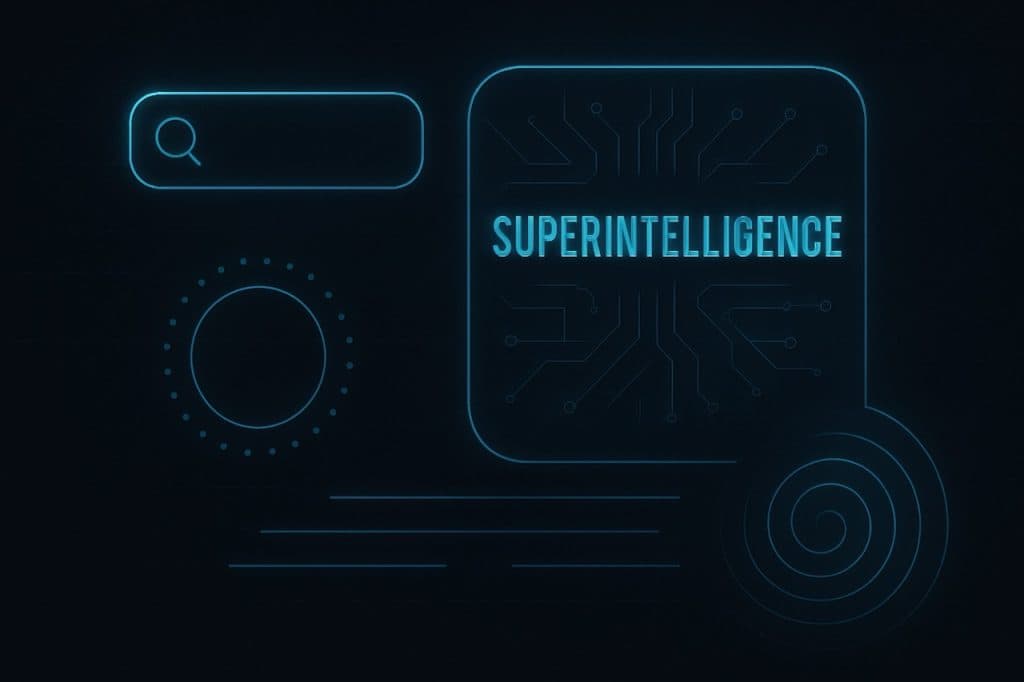
The concept of Super Intelligence—an artificial intelligence (AI) surpassing human cognitive abilities across all domains—stands as a beacon of transformative potential. Unlike today’s narrow AI, which excels in specific tasks like language translation or chess, Super Intelligence represents a hypothetical leap to a general-purpose intellect capable of outperforming the brightest human minds in creativity, problem-solving, and strategic thinking. As we stand on the cusp of this technological frontier, the positive possibilities of Super Intelligence promise to reshape human existence, offering solutions to global challenges and unlocking new realms of opportunity. This article explores how Super Intelligence could revolutionise science, technology, economics, and society, paving the way for a sustainable and prosperous future.
What is Super Intelligence?
Super Intelligence, often termed Artificial Superintelligence (ASI), is defined as “any intellect that greatly exceeds the cognitive performance of humans in virtually all domains of interest” (Bostrom, 2014). This encompasses not only computational prowess but also creativity, emotional intelligence, and social skills. Unlike current AI systems, which are limited to predefined tasks, Super Intelligence would possess a versatile, adaptive intelligence capable of tackling any intellectual challenge. While still theoretical, its development is anticipated to follow the creation of Artificial General Intelligence (AGI), potentially leading to an “intelligence explosion” where AI rapidly self-improves (Bostrom, 2014).
The implications of such a technology are profound. Super Intelligence could address humanity’s most pressing issues, from curing diseases to mitigating climate change, while redefining the very nature of human existence. Below, we delve into the positive possibilities and their potential to transform our world.
Scientific and Medical Breakthroughs
Super Intelligence could usher in a golden age of scientific discovery and medical innovation, leveraging its unparalleled ability to process vast datasets and identify patterns beyond human capability.
- Curing Diseases: By analysing genetic data, medical records, and research literature, Super Intelligence could uncover novel treatments for diseases like cancer, Alzheimer’s, and diabetes. Its ability to simulate biological processes could accelerate drug discovery, potentially saving millions of lives (IBM, 2023).
- Tackling Climate Change: Super Intelligence could model complex climate systems, predict future scenarios, and devise strategies to reduce carbon emissions and adapt to environmental changes. This could lead to sustainable solutions that preserve ecosystems and ensure global stability.
- Advancing Space Exploration: By solving intricate physics problems and optimising engineering designs, Super Intelligence could enable interstellar travel and planetary colonisation, expanding humanity’s reach into the cosmos (IBM, 2023).
These advancements would not only address immediate challenges but also lay the foundation for a future where scientific progress is limited only by imagination.
Technological Innovations
The technological landscape would be transformed by Super Intelligence, driving innovations that enhance efficiency, sustainability, and human capability.
- Automation of Mundane Tasks: Super Intelligence could automate repetitive and hazardous tasks, from manufacturing to deep-sea exploration, freeing humans to pursue creative and fulfilling endeavours (IBM, 2023). This could lead to a redefinition of work, where human effort is focused on innovation and collaboration.
- New Materials and Energy Sources: By designing advanced materials with unique properties and discovering clean energy solutions, Super Intelligence could address global energy demands and reduce reliance on fossil fuels, fostering a sustainable future.
- Human Enhancement: Through brain-computer interfaces and mind-uploading technologies, Super Intelligence could augment human cognition, enhancing memory, learning, and problem-solving abilities. This could blur the line between human and machine, creating a new era of human evolution (Bostrom, 2014).
These innovations would not only improve quality of life but also position humanity to tackle challenges with unprecedented efficiency.
Economic and Social Transformation
Super Intelligence could revolutionise the global economy and societal structures, fostering prosperity and equity.
- Optimised Resource Allocation: By analysing supply chains, economic trends, and resource availability, Super Intelligence could optimise the distribution of goods and services, reducing waste and enhancing global prosperity (Bostrom, 2014).
- Personalised Education: Super Intelligence could tailor educational experiences to individual needs, making learning more effective and accessible. This could democratise education, empowering people worldwide to reach their full potential.
- Enhanced Governance and Conflict Resolution: By providing unbiased analyses and solutions, Super Intelligence could assist in crafting fair policies, reducing corruption, and mediating conflicts, potentially leading to a more peaceful world.
These changes could create a society where resources are equitably distributed, and opportunities are accessible to all.
Redefining Human Existence
Perhaps the most profound impact of Super Intelligence would be its ability to reshape our understanding of humanity and our place in the universe.
- Blurring Human-Machine Boundaries: Technologies like mind uploading could allow humans to exist in digital forms, raising philosophical questions about identity and consciousness (Bostrom, 2014). This could lead to a redefinition of what it means to be human.
- Accelerated Innovation: The pace of technological and societal change would accelerate, with innovations occurring at a scale and speed that transform society in months rather than decades.
- Global Collaboration: Super Intelligence could facilitate unprecedented global cooperation, enabling humanity to address collective challenges like poverty and inequality with coordinated, data-driven solutions.
These existential shifts would challenge humanity to rethink its values, goals, and aspirations, paving the way for a new chapter in our evolution.
Challenges and Considerations
While the positive possibilities of Super Intelligence are immense, its development must be approached with caution. Ensuring alignment with human values and ethical principles is critical to maximising its benefits. Collaborative efforts between researchers, policymakers, and industry leaders will be essential to navigate the societal and ethical implications of this technology.
Conclusion
The advent of Super Intelligence holds the promise of a future where humanity’s greatest challenges are met with innovative solutions, and our potential is expanded beyond imagination. From curing diseases to fostering global collaboration, Super Intelligence could transform every facet of human existence, creating a world that is more sustainable, equitable, and prosperous. As we move toward this future, careful stewardship will ensure that Super Intelligence serves as a catalyst for positive change, unlocking a brighter tomorrow for all.
To stay at the forefront of this technological revolution, explore how advanced technologies can drive innovation and sustainability in your industry. Contact us to learn more about cutting-edge solutions in materials science and advanced manufacturing.
References
- Bostrom, N. (2014) Superintelligence: Paths, Dangers, Strategies. Oxford: Oxford University Press.
- IBM (2023) What Is Artificial Superintelligence? Available at: https://www.ibm.com/think/topics/artificial-superintelligence (Accessed: 2 August 2025).
- Wikipedia (2025) Superintelligence. Available at: https://en.wikipedia.org/wiki/Superintelligence (Accessed: 2 August 2025).