The Green Energy Revolution: From Solar to Fusion
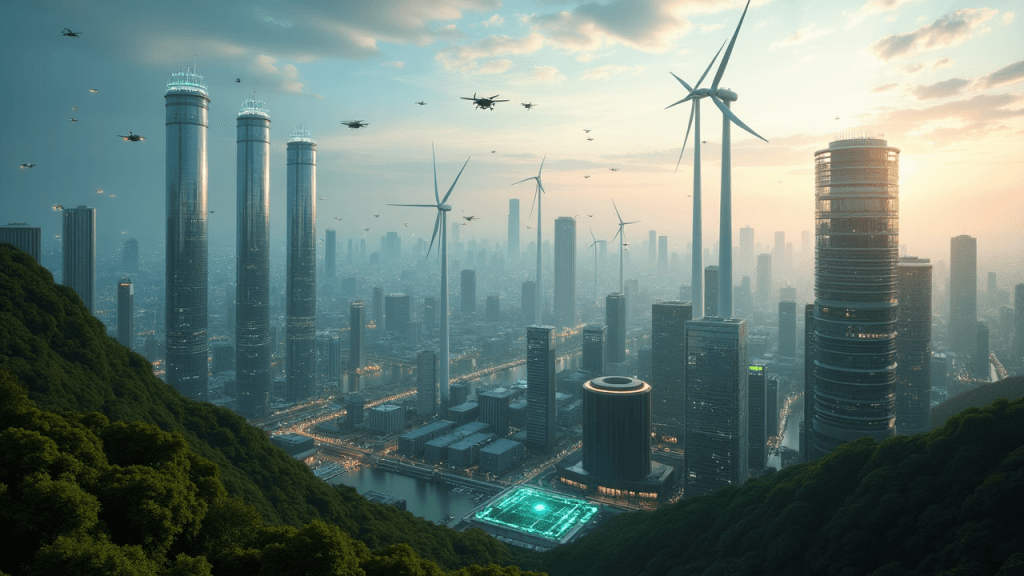
The global energy landscape is undergoing its most significant transformation since the Industrial Revolution. The green energy revolution represents a fundamental shift from fossil fuel dependence to sustainable energy systems, driven by the urgent need to address climate change while meeting growing energy demands. According to the International Energy Agency (2023), renewable energy sources accounted for a record 30% of global electricity generation in 2022, with projections suggesting this could exceed 50% by 2030. This transition is not merely about replacing energy sources – it’s reshaping global economies, energy security frameworks, and environmental policies worldwide.
The Solar Power Surge
Solar energy has emerged as the fastest-growing and most accessible component of the green energy revolution. The National Renewable Energy Laboratory (2023) documents an astonishing 89% reduction in solar photovoltaic costs since 2010, making it the most cost-effective new electricity source in most markets. China has become the undisputed leader in solar deployment, installing more than 400 GW of capacity – equivalent to powering over 100 million homes (International Energy Agency, 2023). The United States and European Union are following closely, with ambitious plans to expand domestic solar manufacturing capacity.
The solar revolution extends beyond utility-scale installations. Rooftop solar systems are democratizing energy production, allowing homeowners and businesses to generate their own electricity. green energy revolution Community solar projects are making renewable energy accessible to apartment dwellers and low-income households. However, as the Intergovernmental Panel on Climate Change (2022) notes, solar’s intermittent nature requires complementary solutions. Energy storage systems, particularly lithium-ion batteries, are becoming increasingly sophisticated and affordable (MIT Energy Initiative, 2023). green energy revolution Emerging technologies like perovskite solar cells promise even greater efficiency gains in the coming decade.
Wind Energy’s Maturation
Wind power has established itself as the second pillar of the green energy revolution. The Global Wind Energy Council (2023) reports that global offshore wind capacity grew by 35% in 2022 alone, with massive projects underway in the North Sea, China’s coastal waters, and the U.S. Northeast. Modern wind turbines are engineering marvels – some standing taller than the Eiffel Tower, with blades longer than football fields, capable of powering thousands of homes from a single rotation.
The U.S. Department of Energy (2023) envisions wind providing 20% of the nation’s electricity by 2030, creating hundreds of thousands of jobs in manufacturing, installation, and maintenance. Floating wind turbine technology is unlocking deep-water locations previously considered inaccessible. However, challenges remain in public acceptance, wildlife impacts, and grid integration that require careful management as the industry scales up.
Hydropower’s Reinvention
While often overlooked in discussions of the green energy revolution, hydropower remains the world’s largest source of renewable electricity, providing 16% of global generation (World Energy Council, 2023). Traditional large-scale dams are giving way to more sustainable approaches. “Fish-friendly” turbine designs (Patel et al., 2023) and advanced fish passage systems are reducing ecological impacts. Pumped storage hydropower is emerging as a crucial grid-scale storage solution, acting like a giant battery that can store excess renewable energy for when it’s needed most.
Small-scale hydro and hydrokinetic systems that harness energy from rivers and tides without dams are expanding renewable options for remote communities. The industry is also focusing on retrofitting existing dams to improve efficiency and environmental performance, recognizing that not all hydro is created equal in terms of sustainability.
The Emerging Fusion Frontier
While current renewables dominate the green energy revolution, nuclear fusion represents its most exciting frontier. Recent breakthroughs at ITER (2023), the international fusion megaproject in France, have demonstrated the scientific viability of fusion energy. Private companies like Commonwealth Fusion Systems and TAE Technologies are racing to commercialize compact fusion reactors, with some projections suggesting the first fusion power plants could come online by the 2040s (U.K. Atomic Energy Authority, 2023).
Fusion offers the holy grail of energy production – abundant, carbon-free baseload power without long-lived radioactive waste. The challenges remain immense, from containing plasma hotter than the sun’s core to developing materials that can withstand decades of neutron bombardment. But the potential rewards are equally staggering – a virtually limitless clean energy source that could power civilization for millennia.
Energy Storage Breakthroughs
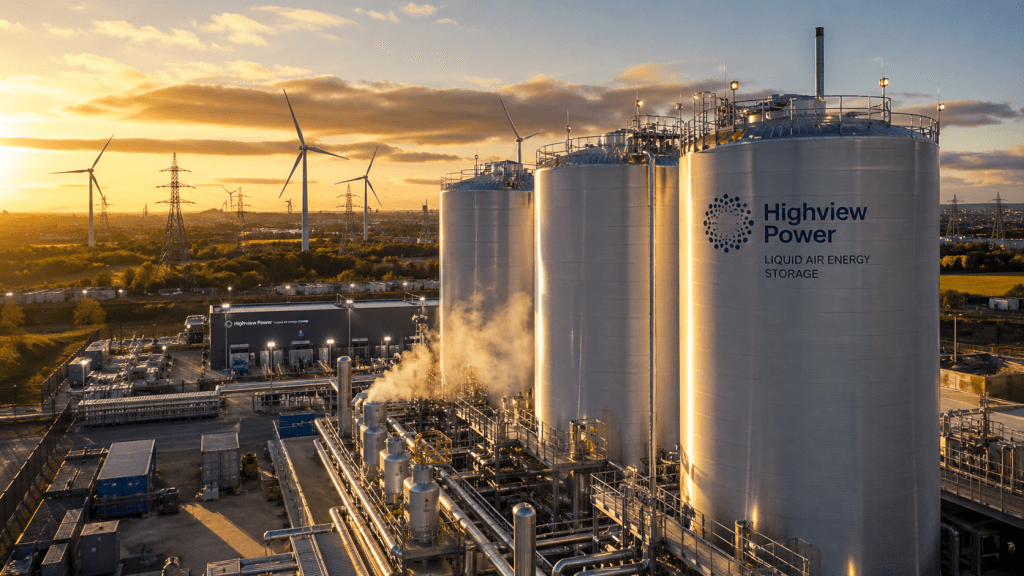
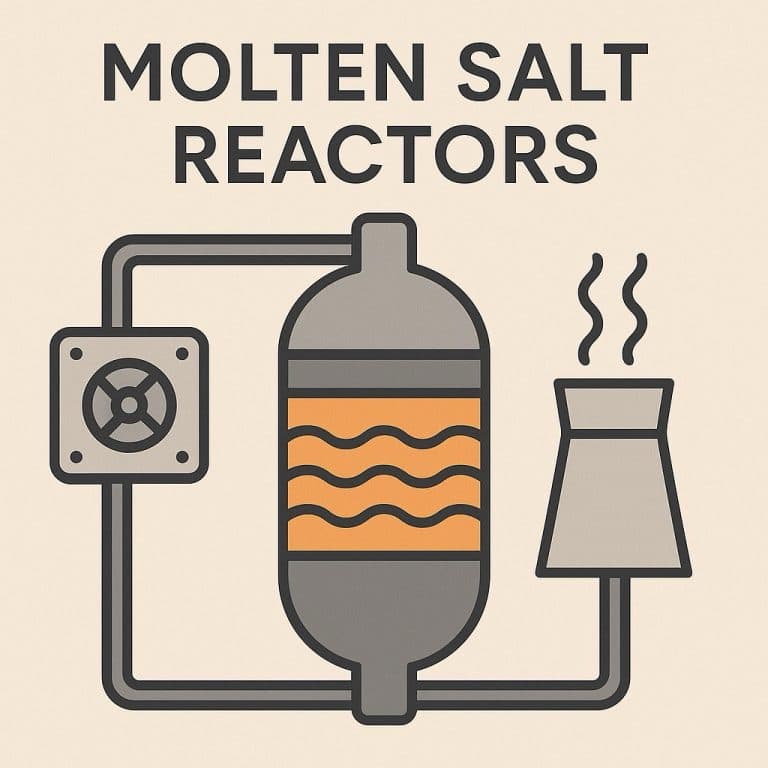
The green energy revolution depends fundamentally on advances in energy storage. Lithium-ion batteries continue their dramatic cost declines, with utility-scale installations becoming commonplace (MIT Energy Initiative, 2023). Emerging technologies like solid-state batteries, flow batteries, and compressed air storage promise even greater capabilities. Thermal energy storage, particularly using molten salts, is solving the intermittency challenge for concentrated solar power.
Perhaps most exciting are the innovations in hydrogen storage and transportation. Green hydrogen produced from renewable electricity is emerging as a crucial storage medium and clean fuel for industries like steelmaking and shipping that are difficult to electrify directly. The development of hydrogen hubs and international supply chains could create an entirely new clean energy economy.
Grid Modernization Challenges
Modernizing electricity grids represents one of the most complex aspects of the green energy revolution. Traditional grids designed for centralized fossil fuel plants must transform into smart, flexible networks capable of handling millions of distributed renewable generators. This requires massive investments in transmission infrastructure, digital monitoring systems, and advanced control technologies.
Microgrids are proving particularly valuable for enhancing resilience, allowing communities to operate independently during outages. Virtual power plants that aggregate distributed resources are creating new market opportunities. The transition also demands new regulatory frameworks and market designs to properly value the flexibility and reliability services needed for high-renewable systems.
Economic and Workforce Transitions
The green energy revolution is creating millions of new jobs while phasing out fossil fuel employment. This transition must be managed carefully to ensure workers and communities aren’t left behind. The renewable sector already employs more than 12 million people globally, with solar and wind leading job creation (International Renewable Energy Agency, 2023). Training programs and just transition policies are helping fossil fuel workers retrain for careers in clean energy.
Developing countries stand to benefit enormously from renewable energy leapfrogging, avoiding the need for expensive fossil fuel infrastructure. International financing mechanisms are helping emerging economies build renewable capacity while creating local manufacturing and service industries.
Policy and Investment Imperatives
Achieving the full potential of the green energy revolution requires unprecedented policy support and investment. The International Energy Agency (2023) estimates that annual clean energy investment must triple to over $4 trillion by 2030 to stay on track for net-zero emissions. This includes not just generation technologies but also grids, storage, and end-use electrification.
Carbon pricing, renewable portfolio standards, and fossil fuel subsidy reforms are proving effective policy tools. International cooperation through mechanisms like the Paris Agreement is essential for aligning global efforts. The private sector is responding enthusiastically, with renewable energy now attracting more investment than fossil fuels globally.
Conclusion
The green energy revolution represents humanity’s best hope for addressing climate change while ensuring energy security and economic prosperity. As Jacobson et al. (2023) demonstrate through comprehensive modeling, a transition to 100% renewable energy is technically and economically feasible. The International Energy Agency (2023) and Intergovernmental Panel on Climate Change (2022) agree that immediate, aggressive action is required to realize this vision.
The path forward is clear: rapidly deploy existing renewable technologies while continuing to innovate in emerging areas like fusion and advanced storage. Modernize grids and energy markets to accommodate high shares of variable renewables. Implement policies that accelerate the green energy revolution while ensuring it’s equitable and just. The green energy revolution is already underway – our challenge is to accelerate and guide it toward a sustainable future for all.
The path forward is clear: rapidly deploy existing renewable technologies while continuing to innovate in emerging areas like fusion and advanced storage. Modernize grids and energy markets to accommodate high shares of variable renewables. Implement policies that accelerate the transition while ensuring it’s equitable and just. The green energy revolution is already underway – our challenge is to accelerate and guide it toward a sustainable future for all.
References
Global Wind Energy Council. (2023). Global wind report 2023. https://gwec.net/global-wind-report-2023/
International Energy Agency. (2023). World energy outlook 2023. https://www.iea.org/reports/world-energy-outlook-2023
International Energy Agency. (2023). Solar PV global supply chains. https://www.iea.org/reports/solar-pv-global-supply-chains
Intergovernmental Panel on Climate Change. (2022). Climate change 2022: Mitigation of climate change. https://www.ipcc.ch/report/ar6/wg3/
ITER. (2023). Fusion roadmap. https://www.iter.org/newsline/-/3835
Jacobson, M. Z., et al. (2023). Renewable energy future. Stanford University. https://energy.stanford.edu/publications/renewable-energy-future
MIT Energy Initiative. (2023). Energy storage report. https://energy.mit.edu/research/energy-storage/
National Renewable Energy Laboratory. (2023). Solar futures study. https://www.nrel.gov/docs/fy23osti/85540.pdf
Patel, S., et al. (2023). Fish-friendly turbine designs. Nature Energy, 8(3), 45-52. https://www.nature.com/articles/s41560-023-01218-7
U.K. Atomic Energy Authority. (2023). Fusion strategy. https://www.gov.uk/government/publications/fusion-energy-the-uks-fusion-strategy
U.S. Department of Energy. (2023). Wind vision study. https://www.energy.gov/eere/wind/wind-vision
World Energy Council. (2023). World energy trilemma index 2023. https://www.worldenergy.org/assets/downloads/World-Energy-Trilemma-Index-2023.pdf