
The DNA of a Smart City: Building for Tomorrow Today
The DNA of a smart city represents the fundamental blueprint for urban development in the 21st century. As global populations increasingly concentrate in urban areas with nearly 70% expected to live in cities by 2050 (United Nations, 2018) the pressure on infrastructure, resources, and services grows exponentially. The DNA of a smart city provides the solution to these challenges by combining cutting-edge technology, sustainable design principles, and citizen empowerment to create urban environments that are not just functional but truly transformative (Angelidou, 2017).
At its core, the DNA of a smart city is about more than just installing sensors or automating services it’s about reimagining how cities function at their most basic level. Like biological DNA that carries genetic instructions for life, the DNA of a smart city contains the essential code for creating urban spaces that can adapt, evolve, and thrive in the face of rapid technological change and environmental challenges (Batty et al., 2012). This urban DNA must be carefully designed to balance efficiency with equity, innovation with inclusion, and progress with sustainability (Bibri & Krogstie, 2017).
What Defines the DNA of a Smart City?
The DNA of a smart city is composed of several key elements that work together to enhance quality of life while minimizing environmental impact. These components include:
- Advanced Infrastructure
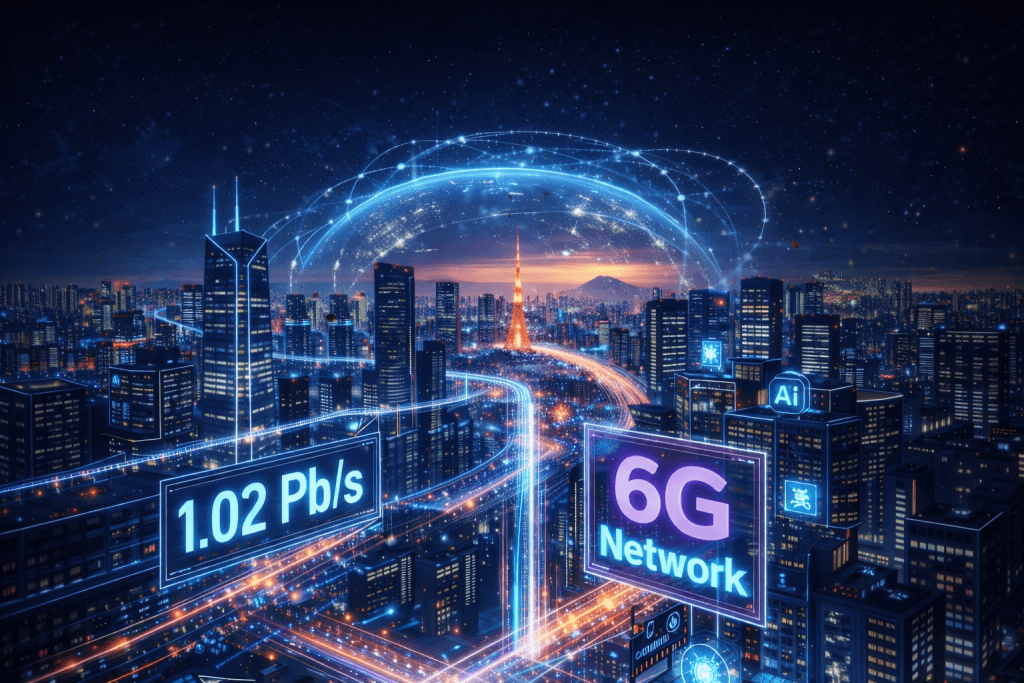
Smart cities rely on robust digital and physical infrastructure. High-speed connectivity, IoT-enabled devices, and sensor networks form the backbone of urban intelligence (Zanella et al., 2014). These systems collect and analyze data to optimize everything from energy use to traffic flow. - Sustainability and Green Initiatives
A crucial part of the DNA of a smart city is its commitment to sustainability. Renewable energy sources, waste reduction programs, and green buildings help reduce carbon footprints while ensuring long-term ecological balance (Meerow et al., 2016). - Data-Driven Decision Making
Real-time data analytics allow city planners to make informed choices. By monitoring air quality, energy consumption, and transportation patterns, smart cities can respond dynamically to urban challenges (Nam & Pardo, 2011). - Citizen-Centric Design
The DNA of a smart city prioritizes people. Digital platforms enable residents to engage with local governments, report issues, and access services efficiently (Harrison & Donnelly, 2011). Inclusive urban planning ensures that all citizens benefit from technological advancements. - Resilience and Adaptability
Climate change and rapid urbanization demand flexible solutions. Smart cities incorporate disaster-resistant infrastructure and adaptive technologies to withstand emergencies and evolving needs (Anthopoulos, 2017).
The Role of Technology in Shaping Smart Cities
Technology is the driving force behind the DNA of a smart city. Innovations such as AI, 5G, and blockchain are transforming urban landscapes in the following ways:
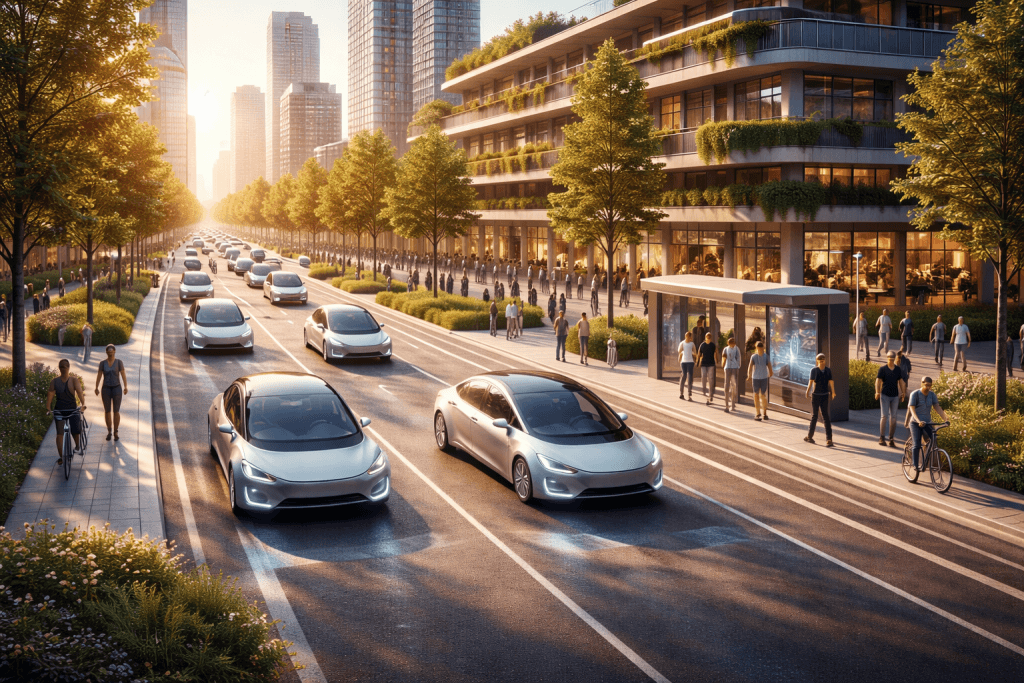
- Smart Mobility: Intelligent transportation systems reduce congestion through real-time traffic monitoring, autonomous vehicles, and integrated public transit networks (Zanella et al., 2014).
- Energy Efficiency: Smart grids and IoT-enabled utilities optimize electricity distribution, reducing waste and lowering costs for consumers (Bibri & Krogstie, 2017).
- Public Safety Enhancements: Predictive policing, surveillance analytics, and emergency response systems improve security while respecting privacy (Nam & Pardo, 2011).
- Digital Governance: E-governance platforms streamline administrative processes, making civic participation more accessible and transparent (Harrison & Donnelly, 2011).
Challenges in Building the DNA of a Smart City
Despite its benefits, developing the DNA of a smart city comes with obstacles:
- High Implementation Costs: Deploying smart technologies requires significant investment in infrastructure and training (Anthopoulos, 2017).
- Data Privacy Concerns: The collection of vast amounts of citizen data raises ethical questions about surveillance and cybersecurity (Hollands, 2008).
- Digital Divide: Ensuring equitable access to technology is essential to prevent marginalized communities from being left behind (Batty et al., 2012).
The Future of Smart Cities
The DNA of a smart city will continue evolving with advancements in AI, renewable energy, and urban planning. Future cities may feature:
- Self-Sustaining Districts: Microgrids and localized recycling systems could make neighborhoods more independent (Meerow et al., 2016).
- Hyper-Connected Ecosystems: The integration of smart homes, workplaces, and public spaces will create seamless urban experiences (Zanella et al., 2014).
- AI-Powered Urban Management: Machine learning algorithms could predict and resolve urban issues before they escalate (Batty et al., 2012).
Looking Ahead: The Future of Smart Urbanism
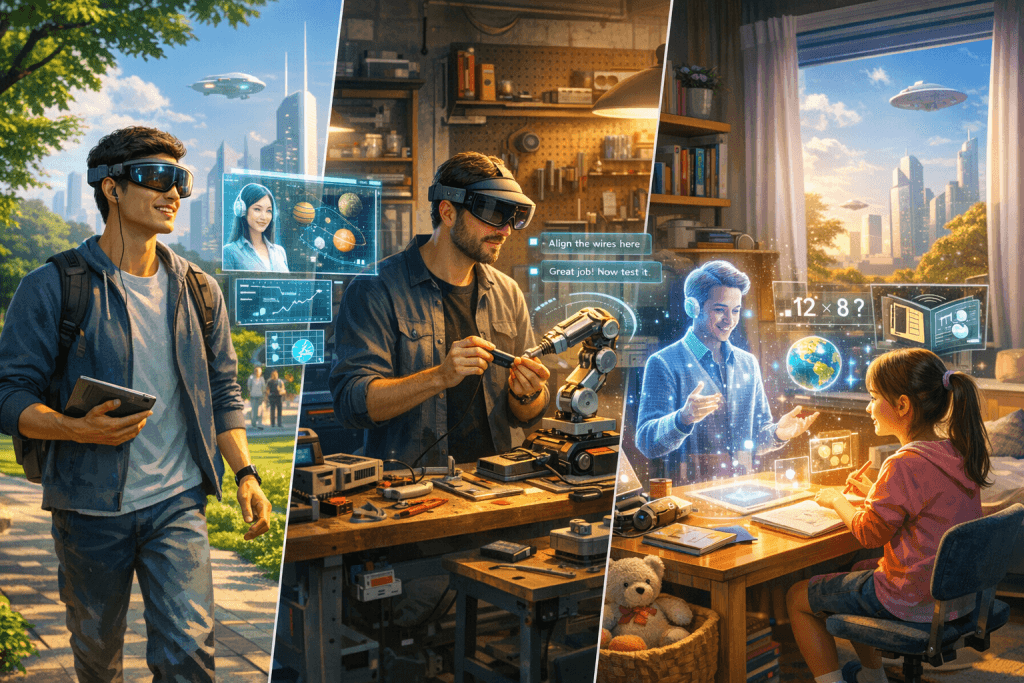
The next generation of smart cities will go beyond efficiency and move into hyper-personalisation. Expect AI systems that learn from individual behaviour, adaptive environments that adjust lighting and temperature to suit crowds, and city services that anticipate needs.
Quantum computing could further boost city-scale simulations, while blockchain might offer secure, decentralised data ownership models. Together, these technologies will strengthen the DNA of a Smart City, making it more transparent, fair, and future-ready.
How Innomatinc Supports the Smart City Movement
At Innomatinc, we keep a pulse on the emerging technologies redefining urban futures. From AI in energy management to quantum breakthroughs in transport modelling, our insights empower urban planners, policymakers, and tech entrepreneurs to build better cities.
We offer deep dives into how each tech layer contributes to the DNA of a Smart City, along with guides, case studies, and visual explainers. Dive into our Smart Cities Section to explore more.
Conclusion
The DNA of a smart city represents more than just a technological revolution it embodies a fundamental shift in how we conceive urban living for generations to come (Angelidou, 2017). As we stand at the crossroads of unprecedented urbanization and climate challenges, the principles encoded in the DNA of a smart city offer our best hope for creating sustainable, equitable, and thriving urban ecosystems (Bibri & Krogstie, 2017).
References
- Angelidou, M. (2017). Smart city policies: A spatial approach. Cities, 41, S3-S11. https://doi.org/10.1016/j.cities.2014.06.007
- Anthopoulos, L. G. (2017). Understanding smart cities: A tool for smart government or an industrial trick? Springer. https://doi.org/10.1007/978-3-319-57015-0
- Batty, M., et al. (2012). Smart cities of the future. The European Physical Journal Special Topics, 214(1), 481-518. https://doi.org/10.1140/epjst/e2012-01703-3
- Bibri, S. E., & Krogstie, J. (2017). Smart sustainable cities of the future: An extensive interdisciplinary literature review. Sustainable Cities and Society, 31, 183-212. https://doi.org/10.1016/j.scs.2017.02.016
- Harrison, C., & Donnelly, I. A. (2011). A theory of smart cities. Proceedings of the 55th Annual Meeting of the ISSS. https://journals.isss.org/index.php/proceedings55th/article/view/1703
- Hollands, R. G. (2008). Will the real smart city please stand up? City, 12(3), 303-320. https://doi.org/10.1080/13604810802479126
- Meerow, S., Newell, J. P., & Stults, M. (2016). Defining urban resilience: A review. Landscape and Urban Planning, 147, 38-49. https://doi.org/10.1016/j.landurbplan.2015.11.011
- Nam, T., & Pardo, T. A. (2011). Conceptualizing smart city with dimensions of technology, people, and institutions. Proceedings of the 12th Annual International Digital Government Research Conference, 282-291. https://doi.org/10.1145/2037556.2037602
- United Nations. (2018). *68% of the world population projected to live in urban areas by 2050*. https://www.un.org/development/desa/en/news/population/2018-revision-of-world-urbanization-prospects.html
- Zanella, A., et al. (2014). Internet of Things for smart cities. IEEE Internet of Things Journal, 1(1), 22-32. https://doi.org/10.1109/JIOT.2014.2306328