Biohacking and Biotech Innovations: Reengineering the Human Body
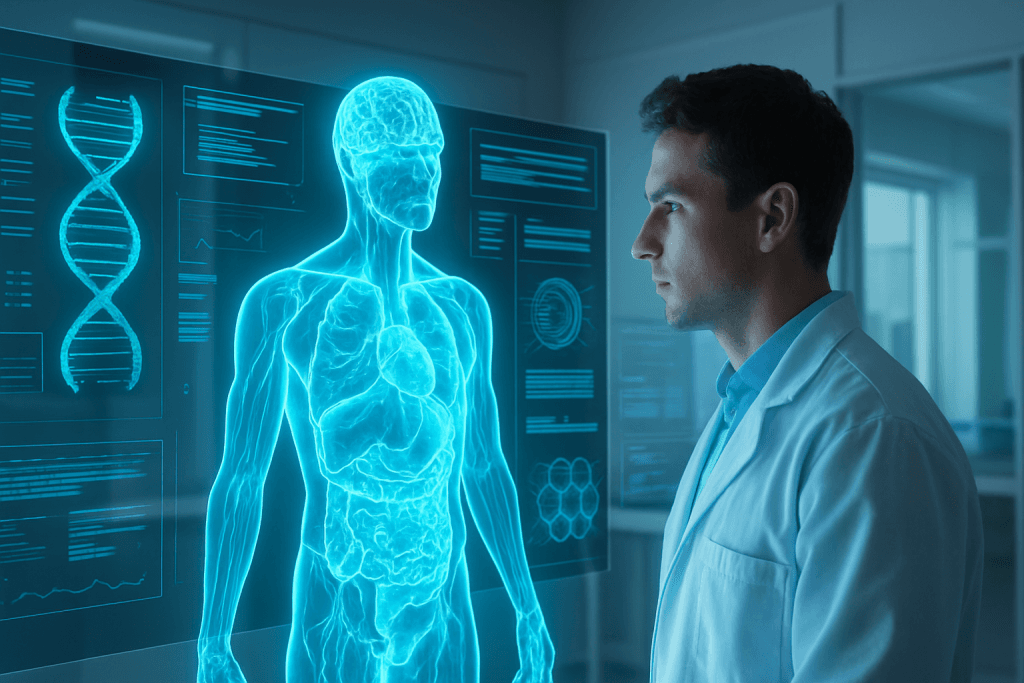
Biohacking and biotech innovations are redefining what it means to be human. By integrating science, technology, and self-experimentation, people are now able to monitor, enhance, and potentially reengineer their biological systems. These innovations are not confined to laboratories they’re part of a growing movement accessible to everyday individuals seeking better health, performance, and longevity.
How Biohacking and Biotech Innovations Work Together
One of the key reasons for the rapid growth of biohacking and biotech innovations is the synergy between grassroots experimentation and institutional science. From home-based wellness routines to billion-dollar biotech startups, the continuum of innovation is empowering individuals and transforming healthcare.
Understanding Biohacking and Biotech Innovations
Biohacking refers to the practice of making targeted, often experimental, changes to biology to improve function. This may include anything from dietary optimisation and sleep tracking to implantable devices and genetic interventions. When merged with cutting-edge biotechnology, biohacking and biotech innovations scale significantly enabling breakthroughs in gene editing, neural enhancements, and personalised medicine.
Three dominant types of biohacking include:
- Nutrigenomics – Using diet and supplements to influence gene expression.
- DIY Biology – Citizen scientists conducting genetic or chemical experiments outside institutional labs.
- Grinder Biohacking – Physically modifying the body with technology, like RFID chips or neural implants.
The synergy between biohacking and biotech innovations enables breakthroughs that go beyond health maintenance, paving the way toward human enhancement.
CRISPR and Gene Editing: Personalising Our DNA
CRISPR (Clustered Regularly Interspaced Short Palindromic Repeats) is among the most powerful biotech tools today. It allows scientists to edit genes with unprecedented precision, offering the possibility of curing genetic disorders and enhancing human traits. Biotech companies like Verve Therapeutics and Mammoth Biosciences are using CRISPR to target cardiovascular diseases and genetic conditions (Doudna & Sternberg, 2017).
However, the technology also raises ethical concerns. The controversial 2018 case of gene-edited babies in China showed how powerful and potentially dangerous gene editing can be without international guidelines (Regalado, 2021).
Wearables and Biosensors: Data-Driven Self-Optimisation
The rise of wearable technology is central to biohacking. Devices like Oura Rings, Whoop bands, and continuous glucose monitors (CGMs) provide real-time data on various biological metrics sleep quality, heart rate variability, glucose levels, and more (Klein, 2021). These insights empower users to make informed decisions about diet, exercise, and mental well-being.
Future applications extend to predictive diagnostics. Early detection of illness using biosensor feedback could enable proactive healthcare interventions, a key benefit of combining biohacking and biotech innovations (Mahdavi & García, 2021).
Brain-Computer Interfaces: Enhancing Cognition
Brain-computer interfaces (BCIs) are devices that enable direct communication between the brain and external machines. Companies like Neuralink and Australia’s Synchron are pioneering implants that could restore motor function in paralysed individuals or enhance memory and cognitive processing (Musk, 2021).
This innovation is redefining cognitive biohacking. As these technologies develop, they could eventually allow for direct information uploads, expanded mental capacity, and even telepathic communication.
The Rise of At-Home Biohackers
Not all innovations require high-tech devices or clinical access. At-home biohacking is becoming increasingly popular through:
- Intermittent fasting
- Nootropics for cognitive enhancement
- Red light therapy
- Cold exposure and breath work
These accessible methods, supported by platforms like ZOE and Levels Health, provide the average consumer with tools for measurable performance enhancement (Topol, 2019).
The Commercial Rise of Human Enhancement
Biohacking and biotech innovations are drawing enormous investment. Tech giants and biotech startups alike are betting on human enhancement:
- Alphabet’s Calico targets anti-ageing.
- Altos Labs is exploring cell reprogramming.
- Moderna and BioNTech are applying mRNA technologies beyond COVID-19.
- 23andMe continues to expand its genetic insight services (Lee & Kruglyak, 2022).
The commercialisation of these innovations signals a future where wellness is increasingly personal, predictive, and data-driven.
Ethical and Social Implications
As with all transformative technologies, these advancements pose ethical challenges:
- Access and Equity: Will enhancements be available to all or just the wealthy?
- Identity and Authenticity: How much augmentation alters what it means to be human?
- Privacy and Data Use: Who owns the biological data generated by wearables? (Zuboff, 2019)
Debates around these issues are vital as biohacking and biotech innovations continue to evolve.
Looking Forward: The Future of Human Engineering
AI, biotech, and personal data analytics are converging to create a future of hyper-personalised health. Tools like AlphaFold from DeepMind are accelerating drug development by modelling protein structures (Mahdavi & García, 2021).
In the coming years, expect innovations such as:
- Monthly gene therapy for ageing
- Real-time AI health monitoring
- Brain enhancements through BCI apps
As biohacking and biotech innovations become more embedded in daily routines and digital ecosystems, we’re witnessing the dawn of a hyper-personalised, tech-augmented human experience.
References
Doudna, J. A., & Sternberg, S. H. (2017). A crack in creation: Gene editing and the unthinkable power to control evolution. Houghton Mifflin Harcourt.
Klein, A. (2021). Wearable biosensors: How they work and where they are going. Sensors, 21(20), 6820. https://doi.org/10.3390/s21206820
Lee, P., & Kruglyak, L. (2022). Functional implications of genetic variation across the human genome. Nature Reviews Genetics, 23(8), 469–481. https://doi.org/10.1038/s41576-022-00482-4
Mahdavi, M. A., & García, J. (2021). AI in biotech: How artificial intelligence is advancing biomedical science. Trends in Biotechnology, 39(10), 1012–1025. https://doi.org/10.1016/j.tibtech.2021.06.001
Musk, E. (2021). Progress update on Neuralink. Neuralink Blog. https://neuralink.com/blog/
Regalado, A. (2021, August 27). The DIY designer baby project. MIT Technology Review. https://www.technologyreview.com/2021/08/27/1034193/diy-designer-baby-genome-editing/
Rizzuto, D., & Orsini, F. (2022). Biohacking and DIY biology: The rise of a new scientific subculture. Science and Engineering Ethics, 28(3), 21. https://doi.org/10.1007/s11948-022-00357-5
Topol, E. (2019). Deep medicine: How artificial intelligence can make healthcare human again. Basic Books.
Zuboff, S. (2019). The age of surveillance capitalism: The fight for a human future at the new frontier of power. PublicAffairs.