Synthetic Biology: Designing Life from Scratch
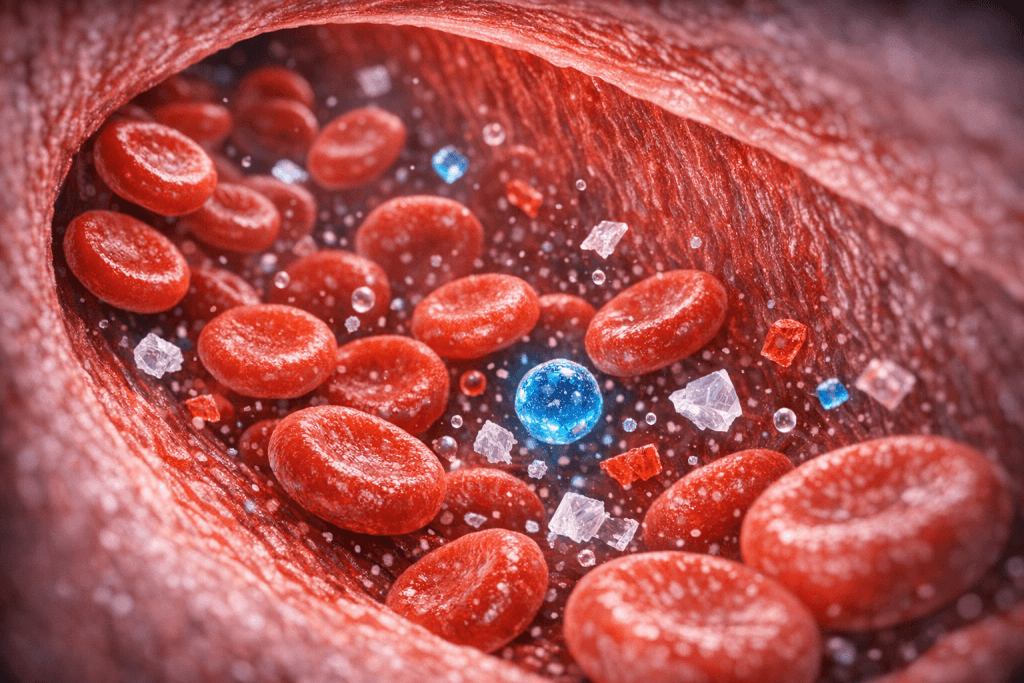
Synthetic biology is a revolutionary field that combines biology, engineering, and computer science to design and construct new biological systems (Endy, 2005). By reprogramming organisms or creating entirely synthetic life forms, scientists aim to solve pressing global challenges, from healthcare to environmental sustainability (Khalil & Collins, 2010). This discipline represents a paradigm shift in how we interact with and manipulate life at its most fundamental level.
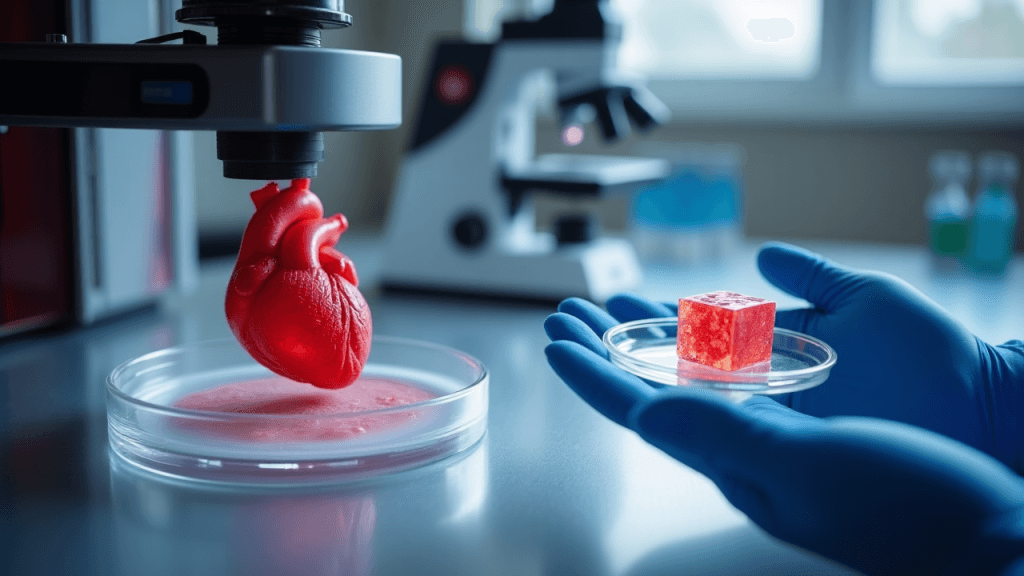
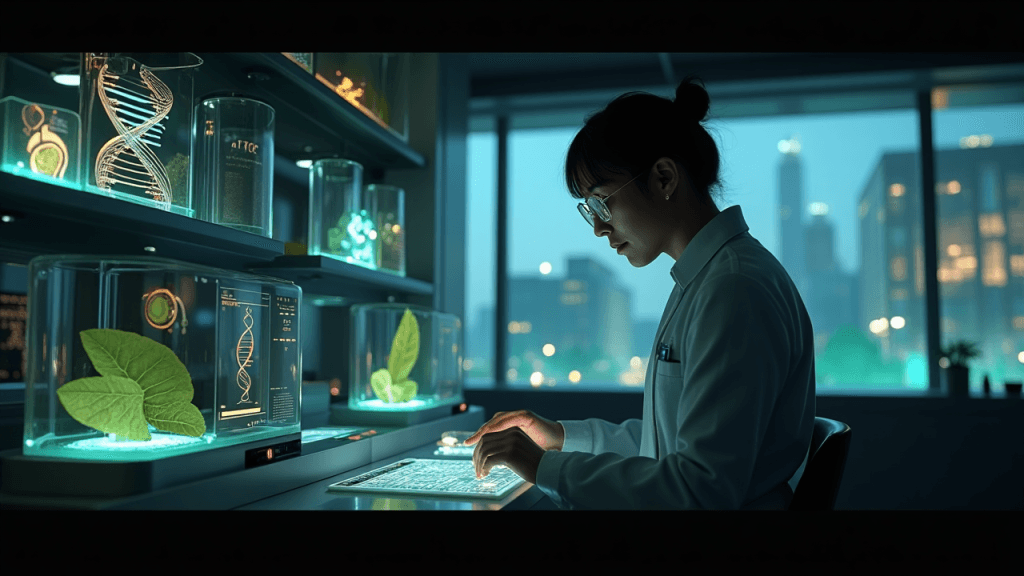
At its core, this interdisciplinary field seeks to understand and redesign biological components to perform novel functions (Cameron et al., 2014). Unlike traditional genetic engineering, which often involves transferring single genes between organisms, synthetic biology takes a more systematic approach. Researchers design genetic circuits, metabolic pathways, and even entire genomes from scratch, enabling precise control over biological processes (Gibson et al., 2010). This level of customization opens doors to unprecedented applications in medicine, agriculture, and industry.
Applications of Synthetic Biology
Healthcare Innovations
One of the most promising applications of synthetic biology is in healthcare. Scientists are engineering bacteria to produce life-saving drugs, such as insulin and antibiotics, more efficiently (Lu et al., 2009). This field also enables the development of personalized therapies, where a patient’s own cells are reprogrammed to target diseases like cancer. For example, CAR-T cell therapy uses these advanced techniques to modify immune cells, enhancing their ability to recognize and destroy tumors (Fesnak et al., 2016).
Sustainable Agriculture
In agriculture, this innovative field offers solutions to food security and sustainability (Purnick & Weiss, 2009). Researchers are designing crops that require fewer resources, such as water and fertilizers, while yielding higher outputs. Nitrogen-fixing bacteria, engineered through synthetic biology, could reduce the need for synthetic fertilizers, lowering environmental impact (Geddes et al., 2019). Additionally, these advanced techniques can help create plant-based alternatives to animal products, addressing both ethical and ecological concerns.
Industrial and Environmental Applications
The industrial sector also benefits from synthetic biology. Microorganisms can be engineered to produce biofuels, biodegradable plastics, and other sustainable materials (Keasling, 2010). By replacing petroleum-based processes with biological ones, this technology contributes to a circular economy. For instance, companies are using these advanced methods to manufacture biofabricated leather and spider silk, offering eco-friendly alternatives to traditional textiles (Vogel, 2017).
Ethical and Safety Considerations
Despite its potential, synthetic biology raises ethical and safety concerns. The ability to design life from scratch poses risks, such as unintended ecological consequences or the misuse of synthetic organisms (National Academies of Sciences, Engineering, and Medicine, 2018). Regulatory frameworks must evolve alongside technological advancements to ensure responsible innovation. Public engagement is equally important to address societal apprehensions and foster trust in this emerging field.
Future Directions and Challenges
While synthetic biology offers immense potential, technical hurdles remain. Designing genetic circuits that function reliably in living cells is inherently challenging due to biological noise and unpredictability (Nielsen et al., 2016). Researchers are developing computational models to simulate and optimize these systems before implementation. Additionally, scaling up synthetic biology processes for industrial use requires overcoming cost and efficiency barriers.
Conclusion
Synthetic biology is reshaping our ability to manipulate life, offering solutions to some of the world’s most pressing problems. From medicine to manufacturing, its impact is already being felt across diverse fields. As this discipline matures, responsible stewardship will ensure that these advances benefit society while minimizing risks. The journey to design life from scratch is just beginning, and the possibilities are limitless.
By integrating cutting-edge science with ethical foresight, this transformative field can pave the way for a sustainable and healthier future. The keyword synthetic biology encapsulates a vision where biology becomes a canvas for human creativity, unlocking new frontiers in science and technology.
References
- Cameron, D. E., Bashor, C. J., & Collins, J. J. (2014). A brief history of synthetic biology. Nature Reviews Microbiology, 12(5), 381-390. https://doi.org/10.1038/nrmicro3239
- Endy, D. (2005). Foundations for engineering biology. Nature, 438(7067), 449-453. https://doi.org/10.1038/nature04342
- Fesnak, A. D., June, C. H., & Levine, B. L. (2016). Engineered T cells: The promise and challenges of cancer immunotherapy. Nature Reviews Cancer, 16(9), 566-581. https://doi.org/10.1038/nrc.2016.97
- Geddes, B. A., Paramasivan, P., Joffrin, A., et al. (2019). Engineering transkingdom signalling in plants to control gene expression in rhizosphere bacteria. Nature Communications, 10(1), 3430. https://doi.org/10.1038/s41467-019-10882-x
- Gibson, D. G., Glass, J. I., Lartigue, C., et al. (2010). Creation of a bacterial cell controlled by a chemically synthesized genome. Science, 329(5987), 52-56. https://doi.org/10.1126/science.1190719
- Keasling, J. D. (2010). Manufacturing molecules through metabolic engineering. Science, 330(6009), 1355-1358. https://doi.org/10.1126/science.1193990
- Khalil, A. S., & Collins, J. J. (2010). Synthetic biology: Applications come of age. Nature Reviews Genetics, 11(5), 367-379. https://doi.org/10.1038/nrg2775
- National Academies of Sciences, Engineering, and Medicine. (2018). Biodefense in the age of synthetic biology. National Academies Press. https://doi.org/10.17226/24890