Microplastics In Human Blood And What It Means For Health
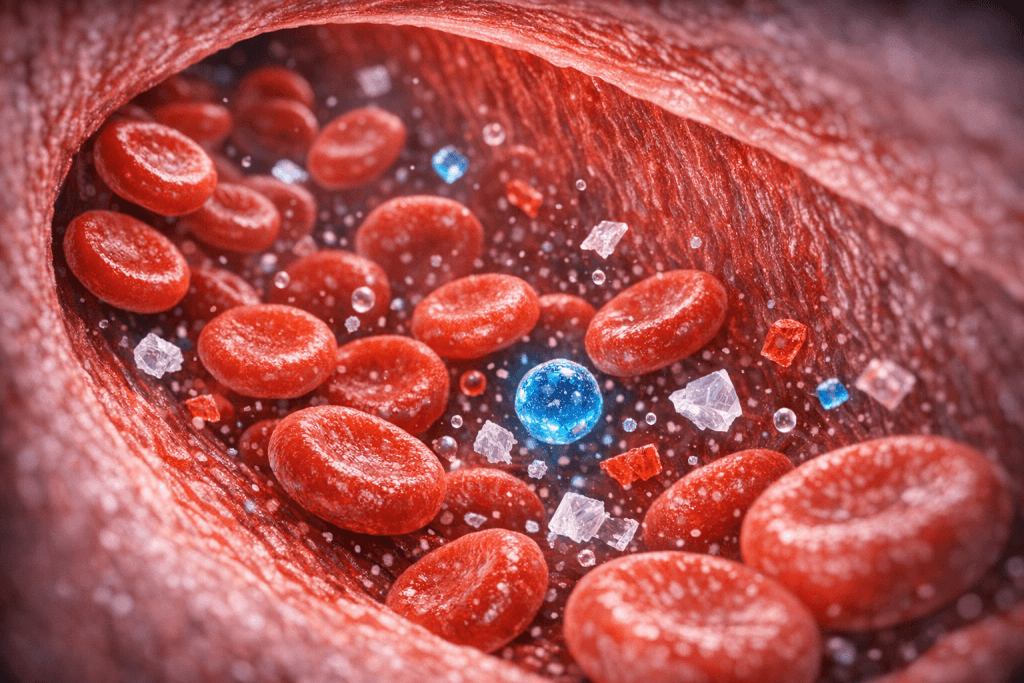
Microplastics in human blood have been detected for the first time, sending shockwaves through the scientific community and raising urgent questions about the implications for human health. For years, we have known that plastic pollution pervades our oceans, soils, and air. We have known that we consume and inhale microplastics daily. But the discovery that these tiny plastic particles can enter the human bloodstream represents a critical turning point. The presence of microplastics in human blood confirms that plastic pollution is not merely an environmental problem but a direct threat to human health, with potentially far-reaching consequences that science is only beginning to understand (Vethaak et al., 2022; The Guardian, 2022).
The Landmark Study That Changed Everything
The first evidence of microplastics in human blood came from a landmark study published in Environment International in March 2022. Researchers led by Professor Dick Vethaak at Vrije Universiteit Amsterdam analyzed blood samples from 22 healthy adult donors and found plastic particles in 17 of them—nearly 80 percent of the participants (Vethaak et al., 2022). The study detected polyethylene terephthalate (PET), the plastic commonly used in beverage bottles, in 50 percent of samples. Polystyrene, used in food packaging, was found in 36 percent of samples. Polyethylene, used in plastic bags and industrial packaging, was found in 23 percent of samples.
The discovery of microplastics in human blood was a watershed moment. As Professor Vethaak stated, “This is the first time we have been able to detect and quantify such microplastics in human blood. This is proof that plastics have entered our bloodstream and are circulating throughout our bodies” (The Guardian, 2022). The study demonstrated that microplastics in human blood are not an isolated phenomenon but a widespread reality affecting the majority of people.
How Microplastics Enter the Bloodstream
Understanding how microplastics in human blood reach their destination requires tracing the pathways of plastic exposure. Humans are exposed to microplastics through ingestion, inhalation, and even skin contact. Food and water are primary sources, with studies detecting microplastics in tap water, bottled water, seafood, salt, honey, and even fruits and vegetables (WHO, 2022; Environmental Science & Technology, 2021).
When microplastics are ingested, they can cross the intestinal barrier through a process called translocation. Similarly, inhaled microplastics can cross the lung epithelium and enter the bloodstream. Once inside, microplastics in human blood can travel throughout the body, potentially reaching organs including the liver, kidneys, heart, and brain (Vethaak & Legler, 2021). The particles detected in the Dutch study ranged from 700 to 5,000 nanometers in size small enough to travel through the bloodstream and potentially cross cell membranes.
Health Implications of Circulating Microplastics
The presence of microplastics in human blood raises profound concerns about health effects that researchers are only beginning to investigate. Plastics contain thousands of chemical additives, including bisphenols, phthalates, and flame retardants, many of which are known endocrine disruptors linked to reproductive disorders, metabolic diseases, and cancers (Muncke et al., 2020). When microplastics circulate in the blood, these additives can leach into tissues, potentially causing cellular damage and inflammation.
Microplastics in human blood may also act as vectors for other environmental contaminants. Plastics are known to absorb and concentrate heavy metals, pesticides, and persistent organic pollutants from the environment, potentially delivering concentrated doses of these toxins to sensitive tissues (Vethaak & Legler, 2021). Additionally, the physical presence of plastic particles in the bloodstream could trigger inflammatory responses, oxidative stress, and immune system activation, contributing to chronic disease processes.
Connecting Microplastics to Chronic Disease
While direct evidence linking microplastics in human blood to specific diseases is still emerging, epidemiological studies have established associations between plastic-related chemical exposures and a range of health outcomes. Phthalate exposure has been linked to reduced fertility, obesity, and asthma. Bisphenol A (BPA) exposure has been associated with cardiovascular disease, diabetes, and neurodevelopmental disorders (Muncke et al., 2020).
More recently, studies have begun to explore direct health impacts of microplastic exposure. A 2024 study published in the New England Journal of Medicine found that patients with microplastics in their carotid artery plaques had a 4.5-fold higher risk of heart attack, stroke, or death compared to those without detectable microplastics (Marfella et al., 2024). This landmark study provided the first direct evidence linking microplastics in human tissues to adverse cardiovascular outcomes, dramatically elevating the urgency of understanding and addressing plastic pollution.
Microplastics in Other Human Tissues
The detection of microplastics in human blood has been followed by discoveries in other human tissues, confirming that plastic particles are not merely passing through but accumulating throughout the body. Researchers have detected microplastics in human placentas, raising concerns about fetal exposure during development (Ragusa et al., 2021). Microplastics have been found in human lung tissue, confirming that inhaled particles can lodge deep in the respiratory system (Jenner et al., 2022). Most recently, microplastics have been detected in breast milk, raising questions about infant exposure (Ragusa et al., 2022).
The presence of microplastics in human blood makes these other findings more concerning. If particles can circulate through the bloodstream, they can potentially reach every organ and tissue in the body. The growing body of evidence suggests that microplastics in human blood are not a temporary phenomenon but a permanent feature of modern human biology.
Vulnerable Populations and Developmental Concerns
Certain populations may be particularly vulnerable to the effects of microplastics in human blood. Pregnant women and developing fetuses face potential risks, as microplastics have been detected in placentas and may cross the placental barrier (Ragusa et al., 2021). Children, whose bodies and organ systems are still developing, may be more susceptible to the effects of plastic additives. Occupational exposure also poses risks, with workers in plastic manufacturing, recycling, and waste management facing significantly higher exposure levels (Vethaak & Legler, 2021).
The potential for intergenerational effects adds another layer of concern. If microplastics in human blood can affect reproductive health or cause epigenetic changes, the impacts could extend beyond exposed individuals to future generations. These possibilities underscore the need for urgent research and preventive action.
The Role of Plastic Production and Waste
The rising levels of microplastics in human blood correlate directly with the exponential growth of global plastic production. Since 1950, the world has produced over 8.3 billion metric tons of plastic, most of which has become waste (Geyer et al., 2017). Only 9 percent has been recycled, with the remainder incinerated, landfilled, or released into the environment. As plastics break down into smaller particles, they accumulate in ecosystems and ultimately in human bodies.
The petrochemical industry continues to expand plastic production, with projections showing production could double by 2040 if no action is taken (UNEP, 2023). Without intervention, microplastics in human blood will almost certainly increase, along with associated health risks. The problem demands systemic solutions that address plastic production, use, and disposal.
What Can Be Done
Addressing the crisis of microplastics in human blood requires action at multiple levels. The United Nations is negotiating a Global Plastics Treaty, with the goal of establishing legally binding measures to reduce plastic pollution across the full lifecycle. The treaty represents the best opportunity to address plastic pollution at its source, including provisions to reduce production, improve product design, and enhance waste management (UNEP, 2023).
At the individual level, reducing plastic consumption can help reduce exposure. Choosing glass or stainless steel containers over plastic, avoiding processed foods packaged in plastic, and filtering drinking water can reduce intake. However, individual actions alone cannot solve a problem of this scale. Systemic change is essential.
Regulatory action is also critical. The European Union has banned certain single-use plastics and is moving to regulate microplastics intentionally added to products. The United States has lagged in federal action, though some states have enacted bans on plastic bags and polystyrene foam. Health advocates are calling for stricter regulation of plastic chemicals, including bans on the most hazardous additives (Muncke et al., 2020).
The Need for More Research
While the discovery of microplastics in human blood has opened a critical new area of research, many questions remain unanswered. What are the health effects of chronic exposure? What levels of microplastics in human blood constitute a health risk? Can the body eliminate microplastics, or do they accumulate over a lifetime? How do microplastics interact with other environmental contaminants?
Researchers are urgently working to answer these questions, but funding for microplastics health research remains inadequate compared to the scale of the problem. The plastics industry, which has significant economic and political influence, has resisted regulation and funded campaigns questioning the science (The Guardian, 2022). Independent research, free from industry influence, is essential to inform policy and protect public health.
Conclusion
The detection of microplastics in human blood represents a turning point in our understanding of plastic pollution. What was once seen as an environmental issue has been revealed as a direct threat to human health. The evidence of microplastics in human blood, combined with emerging links to cardiovascular disease and other health outcomes, demands urgent action. We must reduce plastic production, redesign products to eliminate hazardous additives, improve waste management, and invest in research to understand and mitigate health impacts. The presence of microplastics in human blood is a warning we cannot afford to ignore.
References
Environmental Science & Technology. (2021). Microplastic contamination of fruits and vegetables. https://pubs.acs.org/doi/10.1021/acs.est.1c02250
Geyer, R., Jambeck, J. R., & Law, K. L. (2017). Production, use, and fate of all plastics ever made. Science Advances, 3(7), e1700782. https://www.science.org/doi/10.1126/sciadv.1700782
The Guardian. (2022, March 24). Microplastics found in human blood for first time. https://www.theguardian.com/environment/2022/mar/24/microplastics-found-in-human-blood-for-first-time
Jenner, L. C., Rotchell, J. M., Bennett, R. T., Cowen, M., Tentzeris, V., & Sadofsky, L. R. (2022). Detection of microplastics in human lung tissue using μFTIR spectroscopy. Science of the Total Environment, 831, 154907. https://www.sciencedirect.com/science/article/pii/S0048969722017544
Marfella, R., et al. (2024). Microplastics and nanoplastics in atherosclerotic cardiovascular disease. New England Journal of Medicine, 390, 900-910. https://www.nejm.org/doi/full/10.1056/NEJMoa2309822
Muncke, J., et al. (2020). Impacts of food contact chemicals on human health: A consensus statement. Environmental Health, 19(1), 25. https://ehjournal.biomedcentral.com/articles/10.1186/s12940-020-0572-5
Ragusa, A., et al. (2021). Plasticenta: First evidence of microplastics in human placenta. Environment International, 146, 106274. https://www.sciencedirect.com/science/article/pii/S0160412020322297
Ragusa, A., et al. (2022). Microplastics in human milk. Polymers, 14(13), 2700. https://www.mdpi.com/2073-4360/14/13/2700
UNEP. (2023). Turning off the tap: How the world can end plastic pollution and create a circular economy. United Nations Environment Programme. https://www.unep.org/resources/turning-off-tap-end-plastic-pollution-create-circular-economy
Vethaak, A. D., & Legler, J. (2021). Microplastics and human health. Science, 371(6530), 672-674. https://www.science.org/doi/10.1126/science.abe5041
Vethaak, A. D., et al. (2022). Discovery and quantification of plastic particle pollution in human blood. Environment International, 163, 107199. https://www.sciencedirect.com/science/article/pii/S0160412022001258
WHO. (2022). Microplastics in drinking water. World Health Organization. https://www.who.int/publications/i/item/9789240057579