Regenerative Medicine: Healing the Body from Within
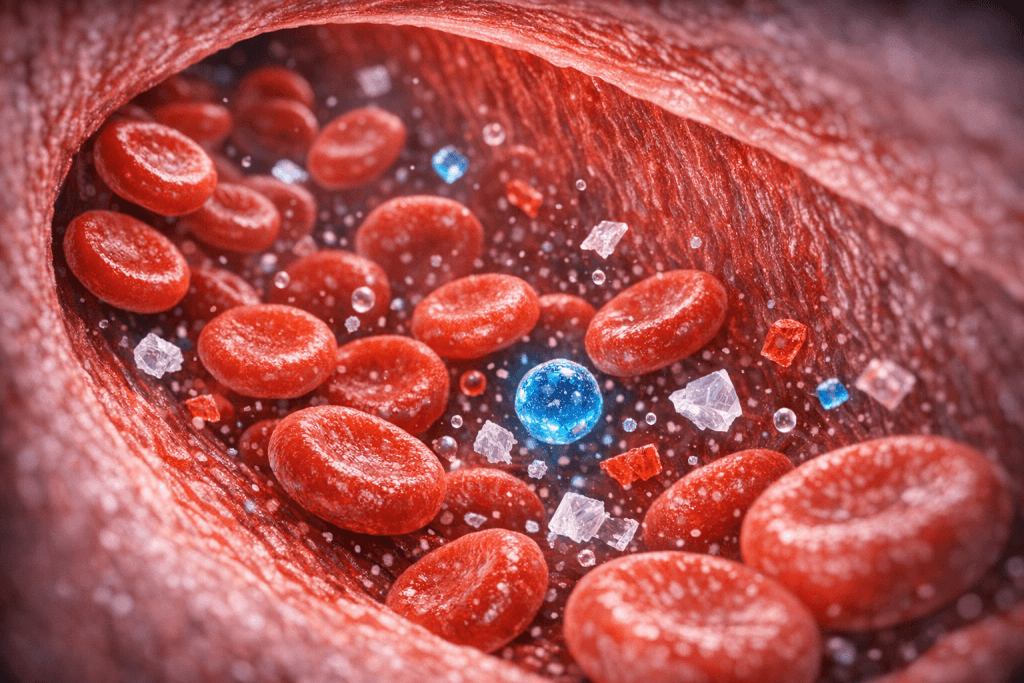
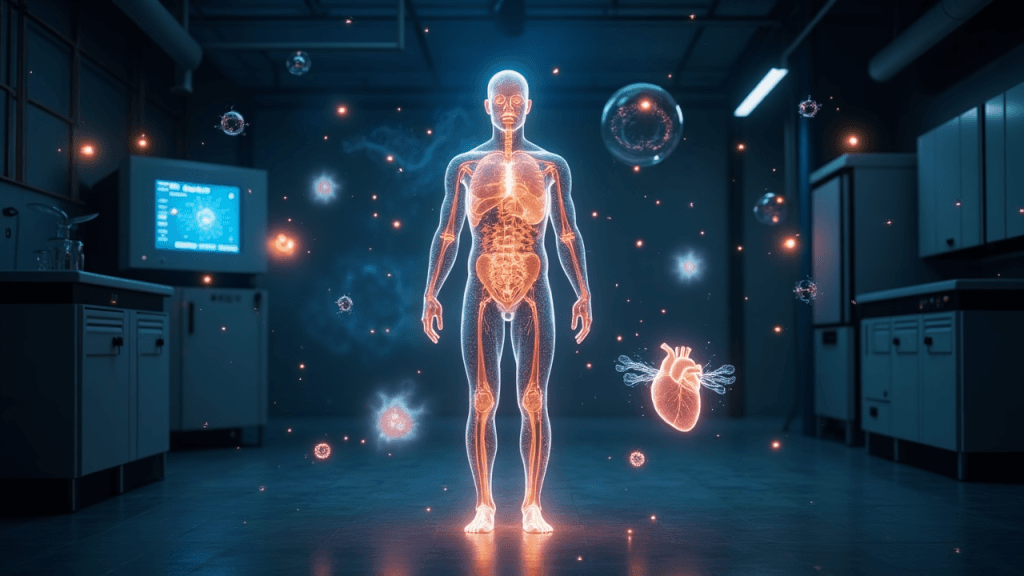
Regenerative medicine is revolutionizing the way we approach healing and tissue repair. This groundbreaking field focuses on harnessing the body’s innate ability to regenerate damaged tissues and organs, offering hope for conditions once deemed incurable (Atala, 2020). By leveraging advanced techniques such as stem cell therapy, tissue engineering, and gene editing, regenerative medicine aims to restore function rather than merely manage symptoms (Dimmeler et al., 2019).
The promise of regenerative medicine lies in its potential to treat a wide range of diseases, from chronic injuries to degenerative disorders (Gurtner et al., 2021). Unlike traditional treatments that often provide temporary relief, regenerative therapies target the root cause of the problem, promoting long-term recovery. As research progresses, the applications of regenerative medicine continue to expand, transforming healthcare and improving patient outcomes (Mao & Mooney, 2015).
The Science Behind Regenerative Medicine
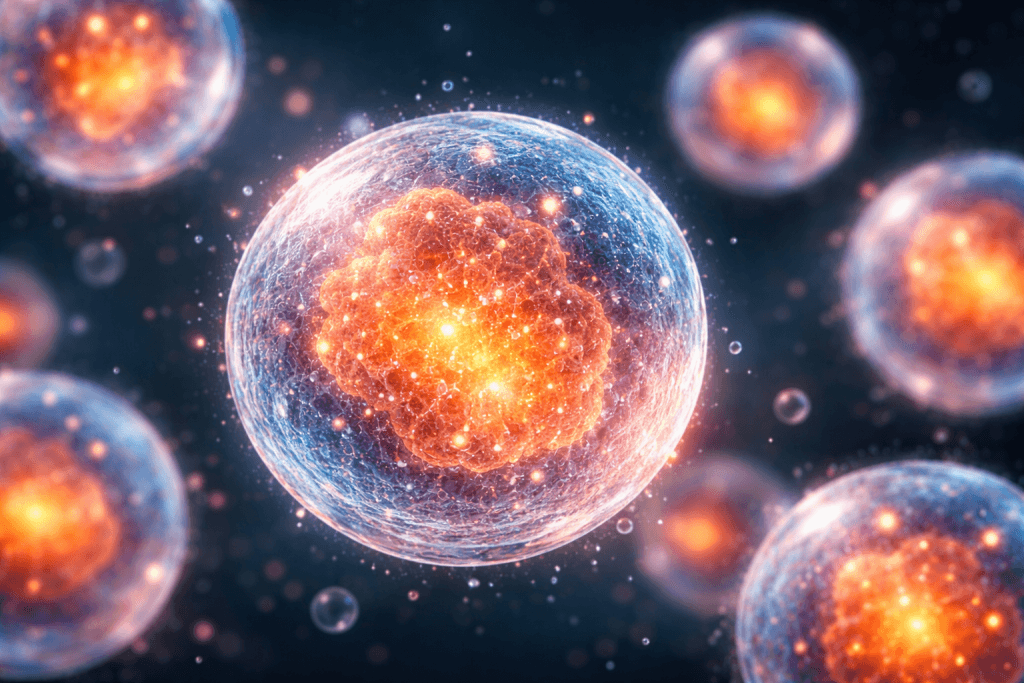
At its core, regenerative medicine relies on the principles of cellular biology and tissue engineering. Stem cells, the building blocks of this field, possess the unique ability to differentiate into various cell types (Takahashi & Yamanaka, 2016). These cells can be harvested from multiple sources, including embryos, adult tissues, and induced pluripotent stem cells (iPSCs). Once isolated, they can be guided to develop into specific tissues, such as heart muscle, neurons, or cartilage (Doulatov et al., 2020).
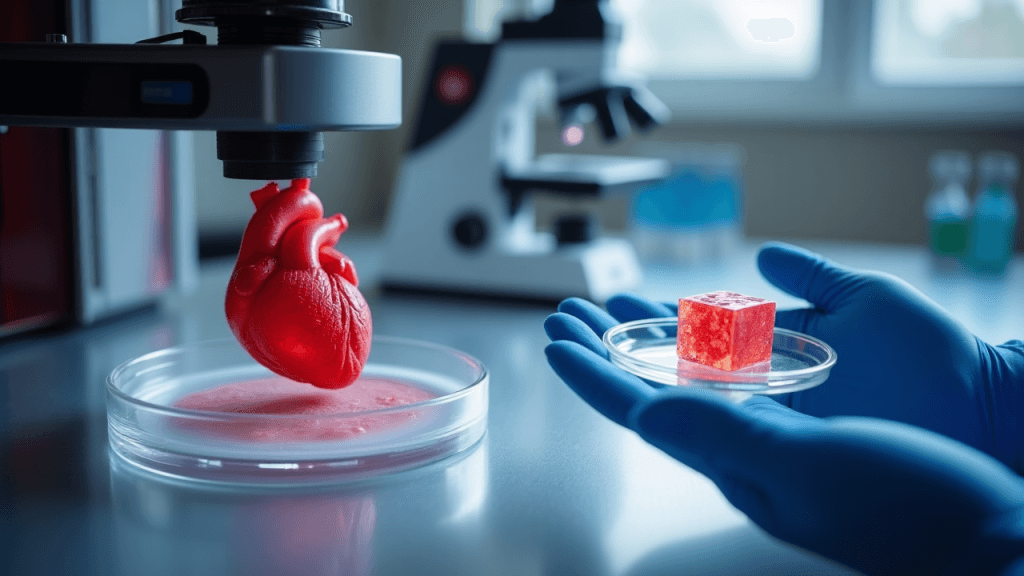
Another key component of regenerative medicine is tissue engineering, which involves creating biocompatible scaffolds that support cell growth (Langer & Vacanti, 2016). These scaffolds mimic the natural extracellular matrix, providing a framework for new tissue formation. Combined with growth factors and signaling molecules, tissue engineering enables the regeneration of complex structures like skin, bones, and even organs (Murphy & Atala, 2014).
Gene editing technologies, particularly CRISPR-Cas9, further enhance the capabilities of regenerative medicine (Doudna & Charpentier, 2014). By precisely modifying DNA, scientists can correct genetic mutations responsible for diseases or enhance the regenerative potential of cells. This approach opens doors to personalized therapies tailored to an individual’s genetic makeup.
Applications of Regenerative Medicine
Regenerative medicine holds immense potential across various medical specialties. In cardiology, stem cell therapy is being explored to repair damaged heart tissue after a myocardial infarction (Menasché et al., 2018). Early clinical trials have shown promising results, with patients experiencing improved heart function and reduced scar tissue.
Neurological disorders, such as Parkinson’s and Alzheimer’s disease, may also benefit from regenerative medicine (Barker et al., 2017). Researchers are investigating stem cell-derived neurons to replace lost or damaged brain cells, potentially slowing or reversing disease progression. Similarly, spinal cord injuries, once considered irreversible, are now being targeted with regenerative therapies to restore mobility and sensation (Assinck et al., 2017).
Orthopedics is another field where regenerative medicine is making significant strides. Conditions like osteoarthritis and tendon injuries are being treated with platelet-rich plasma (PRP) and mesenchymal stem cells to promote cartilage and tendon regeneration (Caplan, 2017). These therapies offer a non-surgical alternative to joint replacements and long-term pain management.
Challenges and Ethical Considerations
Despite its potential, regenerative medicine faces several challenges. One major hurdle is ensuring the safety and efficacy of these therapies (Hyun et al., 2020). Stem cell treatments, for example, carry risks such as uncontrolled cell growth or immune rejection. Rigorous clinical trials and regulatory oversight are essential to mitigate these risks and ensure patient safety.
Ethical concerns also surround regenerative medicine, particularly regarding the use of embryonic stem cells (Lo & Parham, 2009). While iPSCs provide an alternative, debates continue over the moral implications of manipulating human cells. Additionally, the high cost of regenerative therapies raises questions about accessibility and equity in healthcare (Daley et al., 2016).
The Future of Regenerative Medicine
The future of regenerative medicine is bright, with ongoing advancements pushing the boundaries of what is possible. Researchers are exploring 3D bioprinting to create fully functional organs for transplantation, potentially eliminating organ donor shortages (Murphy & Atala, 2014). Combined with artificial intelligence, regenerative medicine could enable personalized treatment plans optimized for each patient’s unique biology.
As the field evolves, collaboration between scientists, clinicians, and policymakers will be crucial (Atala, 2020). By addressing technical, ethical, and financial challenges, regenerative medicine can fulfill its promise of healing the body from within. With continued innovation, this transformative approach may one day make chronic diseases a thing of the past.
Conclusion
Regenerative medicine represents a paradigm shift in healthcare, offering hope for conditions that were once untreatable. By harnessing the body’s natural healing mechanisms, this field has the potential to restore function and improve quality of life for millions (Dimmeler et al., 2019). From stem cell therapy to gene editing, the tools of regenerative medicine are unlocking new possibilities in medicine.
As research progresses, the keyword “regenerative medicine” will continue to dominate discussions in biotechnology and healthcare. With its ability to heal from within, regenerative medicine is not just a scientific breakthrough but a beacon of hope for patients worldwide. The journey has just begun, and the future holds endless possibilities for this revolutionary field.
Regenerative medicine is more than a treatment; it is a transformation. By embracing its potential, we can redefine healing and usher in a new era of medical innovation.
References
- Assinck, P., Duncan, G. J., Hilton, B. J., Plemel, J. R., & Tetzlaff, W. (2017). Cell transplantation therapy for spinal cord injury. Nature Neuroscience, 20(5), 637-647. https://doi.org/10.1038/nn.4541
- Atala, A. (2020). Regenerative medicine strategies. Journal of Pediatric Surgery, 55(1), 3-9. https://doi.org/10.1016/j.jpedsurg.2019.09.012
- Barker, R. A., Parmar, M., Studer, L., & Takahashi, J. (2017). Human trials of stem cell-derived dopamine neurons for Parkinson’s disease: Dawn of a new era. Cell Stem Cell, 21(5), 569-573. https://doi.org/10.1016/j.stem.2017.09.014
- Caplan, A. I. (2017). Mesenchymal stem cells: Time to change the name! Stem Cells Translational Medicine, 6(6), 1445-1451. https://doi.org/10.1002/sctm.17-0051
- Daley, G. Q., Hyun, I., Apperley, J. F., Barker, R. A., Benvenisty, N., Bredenoord, A. L., … & Kim, D. W. (2016). Ethics of stem cell research and therapy. Science, 352(6288), 795-797. https://doi.org/10.1126/science.aaf6821
- Dimmeler, S., Ding, S., Rando, T. A., & Trounson, A. (2019). Translational strategies and challenges in regenerative medicine. Nature Medicine, 25(5), 832-846. https://doi.org/10.1038/s41591-019-0471-8
- Doudna, J. A., & Charpentier, E. (2014). The new frontier of genome engineering with CRISPR-Cas9. Science, 346(6213), 1258096. https://doi.org/10.1126/science.1258096
- Hyun, I., Munsie, M., Pera, M. F., Rivron, N. C., & Rossant, J. (2020). Toward guidelines for research on human embryo models formed from stem cells. Stem Cell Reports, 14(2), 169-174. https://doi.org/10.1016/j.stemcr.2020.01.008